Hail and Roof Leak Water Damage in Aurora, CO
Front Range hail cracks shingles, skylights and vents, and the next rain runs into the attic. The drying team dries the insulation, framing and ceilings below.
(888) 532-8620Storm leak inside? Call the Aurora restoration team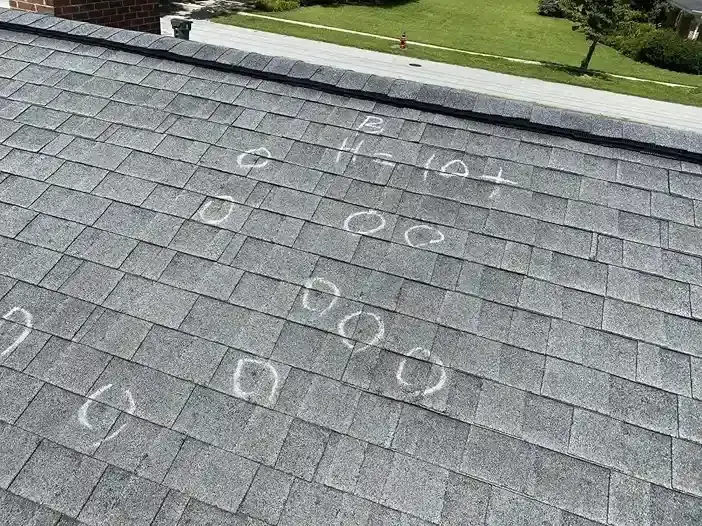
First steps for hail and roof leak water damage in Aurora
Water from a storm-damaged roof often shows up hours later as a stain or a drip, so act at the first sign.
- Catch the drip
Put a bucket under the leak and move furniture and electronics out of the way.
- Relieve a bulging ceiling
A ceiling holding water can collapse. Keep people clear and do not stand under it.
- Photograph the storm damage
Photograph ceiling stains, wet insulation you can see safely, and hail on the ground.
- Tarp, then call
A roofer tarps the roof; call the Aurora restoration team for the water inside.
How hail and roof leak water damage is handled in Aurora
Roof water soaks insulation and runs along rafters before it shows on a ceiling, so the wet area inside is usually bigger than the stain.
Rapid local response
Aurora water damage pros answer day and night, and the restoration team asks which level is wet and what the water came from, so the right equipment goes on the truck.
IICRC S500 drying standard
IICRC S500 is the industry drying standard. The drying team maps moisture first and keeps equipment running until the readings say dry, not until the surface looks dry.
Claim-ready documentation
Most crews log daily moisture readings and take timestamped photos before anything is removed, which is the file an adjuster reads.
Front Range water experts
Arctic freezes, hail, window wells and swelling clay soil: the local restoration pros know how water moves through an Aurora house.
What does hail and roof leak water damage cost in Aurora, CO?
In Aurora, CO, water damage from hail and roof leaks typically runs $1,500 to $7,500 for the drying work, depending on how many rooms the water reached, attic insulation, ceiling material and how fast drying started. Roof repair is separate.
These are typical ranges, not a quote. For a closer planning number, try the Aurora water damage cost calculator.
One ceiling stain
- Attic and ceiling readings
- Small ceiling openings
- Air movers
Several rooms
- Wet insulation removal
- Ceiling drywall removal
- Dehumidifiers
Large storm loss
- Wall and floor drying
- Multiple levels
- Full photo and drying log
The hail and roof leak water damage process, step by step
- 1
Map the moisture
The tech who does the walkthrough finds the source, then maps moisture with pinless meters and thermal imaging, so the plan matches what is wet, not what looks wet.
- 2
Extract the water
The extraction crew pulls standing water with truck-mounted or portable extraction, because every gallon removed as liquid is a gallon the dehumidifiers never have to pull from the air.
- 3
Dry the structure
The drying team sets air movers to each room's evaporation load and LGR dehumidifiers to pull the moisture back out. Class 4 materials like hardwood and plaster may need desiccants.
- 4
Verify and document
Most crews take readings daily and pull equipment only when wet materials sit within 2 to 4 points of a dry reference, then hand over the drying log for the claim.
Why Aurora roofs leak after storms
Aurora sits in the Front Range hail belt, where spring and summer storms can drop hail on open neighborhoods with little warning. Hail bruises and cracks asphalt shingles, breaks skylights and dents roof vents, and the next rain finds those openings.
- Cracked or missing shingles after a hail or wind event
- Broken skylights and damaged roof vents
- Gutters clogged with hail and debris that back water under the roof edge
- Heavy wet spring snow and ice at the eaves
How the drying team handles roof water
The tech who does the walkthrough checks the attic and the ceilings below with thermal imaging and pinless meters, because water travels along rafters and pools in insulation away from the stain. Soaked blown-in or batt insulation is removed so the framing and ceiling can dry. The drying team opens sagging drywall, sets air movers and dehumidifiers, and records readings until the structure is dry. A roofer handles the roof itself.
Trade fact: photos before anything moves
Storm claims depend on the timeline. Most crews photograph the ceilings, the attic and the wet materials with timestamps before anything is removed, which gives the adjuster a clear record.
Storm resources
The NOAA National Severe Storms Laboratory explains how hail forms and why the High Plains see so much of it, and the National Weather Service Boulder office issues the Denver area warnings. For leaks from plumbing above, see ceiling leak water damage.
Hail and Roof Leak Water Damage across Aurora
The Aurora water damage pros cover the whole city, from Original Aurora and Hoffman Heights to Saddle Rock, Southlands and Murphy Creek, plus Centennial, Parker, Foxfield, Greenwood Village, Glendale and Commerce City.
See every Aurora area and ZIP codeRelated water damage services in Aurora
Hail and Roof Leak Water Damage questions in Aurora
Why is the wet area bigger than the ceiling stain?
Water from a roof runs along rafters and spreads through attic insulation before it soaks through drywall. Thermal imaging and meters usually find wet material well beyond the visible stain.
Does wet attic insulation have to be removed?
Usually. Soaked insulation compresses, loses its value and holds water against the ceiling drywall, so most crews remove it so the area can dry.
Should the roof be fixed before drying starts?
The roof needs a temporary tarp or repair so no new water comes in. Drying can start inside right away once the source is stopped.
Is hail damage covered by homeowners insurance?
Hail and wind damage to the roof is commonly covered, and the resulting interior water damage often is too. Deductibles for wind and hail can be different. Coverage depends on your policy, so it is worth checking with your own insurer.
How long does a ceiling take to dry?
A single wet ceiling often dries in two to four days once the source is stopped and wet insulation is out. Plaster ceilings and larger areas take longer.
Can the ceiling fall?
Yes. A ceiling holding water can sag and collapse. If it bulges, keep people and pets away and call for help rather than poking it.
Storm water inside your Aurora home?
The drying team follows the water from the attic down and documents every step for the claim.