Swamp Cooler Leak Water Damage in Aurora, CO
Rooftop evaporative coolers hold water all summer. A stuck float, cracked pan or split supply line sends it through the roof into the ceiling below. The drying team dries it out.
(888) 532-8620Cooler leaking into the house? Call Aurora 24/7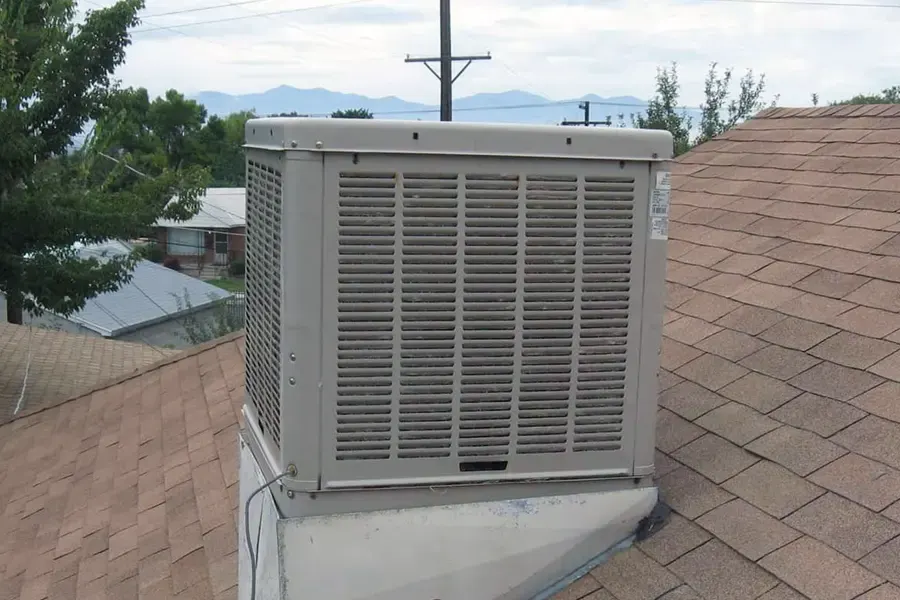
First steps for swamp cooler leak water damage in Aurora
Most cooler leaks keep running until the water supply to the cooler is shut off.
- Shut off the cooler
Turn the cooler off at the thermostat or switch so the pump stops.
- Close its water line
Close the small supply valve to the cooler, often in the basement, attic or near the water heater.
- Watch the ceiling
Keep clear of a sagging ceiling and catch drips from the supply register.
- Photograph and call
Photograph the stain and the register, then call the Aurora restoration team.
How swamp cooler leak water damage is handled in Aurora
Cooler water travels down the duct and roof deck into the attic, so the wet area often surrounds the ceiling register rather than sitting under the cooler.
Rapid local response
Aurora water damage pros answer day and night, and the restoration team asks which level is wet and what the water came from, so the right equipment goes on the truck.
IICRC S500 drying standard
IICRC S500 is the industry drying standard. The drying team maps moisture first and keeps equipment running until the readings say dry, not until the surface looks dry.
Claim-ready documentation
Most crews log daily moisture readings and take timestamped photos before anything is removed, which is the file an adjuster reads.
Front Range water experts
Arctic freezes, hail, window wells and swelling clay soil: the local restoration pros know how water moves through an Aurora house.
What does swamp cooler leak water damage cost in Aurora, CO?
In Aurora, CO, swamp cooler leak water damage typically runs $1,200 to $5,000 for the drying work, depending on how long the cooler leaked, attic insulation, ceiling material and how fast drying started. Cooler repair is separate.
These are typical ranges, not a quote. For a closer planning number, try the Aurora water damage cost calculator.
Stain at the register
- Ceiling and attic readings
- Small openings
- Air movers
Wet attic and ceiling
- Insulation removal
- Drywall removal
- Dehumidifiers
Long leak, several rooms
- Wall drying
- Flooring below
- Antimicrobial and drying log
The swamp cooler leak water damage process, step by step
- 1
Map the moisture
The tech who does the walkthrough finds the source, then maps moisture with pinless meters and thermal imaging, so the plan matches what is wet, not what looks wet.
- 2
Extract the water
The extraction crew pulls standing water with truck-mounted or portable extraction, because every gallon removed as liquid is a gallon the dehumidifiers never have to pull from the air.
- 3
Dry the structure
The drying team sets air movers to each room's evaporation load and LGR dehumidifiers to pull the moisture back out. Class 4 materials like hardwood and plaster may need desiccants.
- 4
Verify and document
Most crews take readings daily and pull equipment only when wet materials sit within 2 to 4 points of a dry reference, then hand over the drying log for the claim.
Why swamp coolers leak in Aurora
Evaporative coolers work well in the dry Front Range air, and many older ranches in north and central Aurora still run one on the roof. A cooler holds a reservoir of water in a pan and feeds more through a small supply line, so any failure has a steady source.
- A float valve that sticks open and overflows the pan
- Rusted or cracked pans on older units
- Split supply lines, especially after a spring freeze
- A cooler that shifts on the roof and opens the curb flashing
How the drying team handles cooler water
The tech who does the walkthrough checks the ceiling around the supply register, the attic around the duct and the roof deck with thermal imaging and pinless meters. Standing water in a pan picks up minerals, dust and organic growth over a summer, so most crews treat cooler water as Category 2. Wet insulation comes out, sagging drywall is removed, and air movers and dehumidifiers run until the ceiling and framing reach the drying goal.
Trade fact: the duct carries water
Water that gets into the cooler duct can run a long way before it drips out. Readings along the duct path often find wet ceiling well away from the register.
Cooler resources
The U.S. Department of Energy evaporative cooler guide covers seasonal maintenance and shut-down, and Colorado State University Extension has home care guidance for Colorado. For other leaks from above, see ceiling leak water damage.
Swamp Cooler Leak Water Damage across Aurora
The Aurora water damage pros cover the whole city, from Original Aurora and Hoffman Heights to Saddle Rock, Southlands and Murphy Creek, plus Centennial, Parker, Foxfield, Greenwood Village, Glendale and Commerce City.
See every Aurora area and ZIP codeRelated water damage services in Aurora
Swamp Cooler Leak Water Damage questions in Aurora
Why is water coming out of the ceiling vent?
When a cooler overflows or leaks, water can run into the supply duct and drip out at the ceiling register. The wet area in the attic and ceiling is often larger than the drip suggests.
Where is the cooler water shut-off?
Most coolers are fed by a small line tied into the house plumbing, often with a valve near the water heater, in the basement or in the attic. Closing it stops the supply.
Is swamp cooler water clean?
Not usually. Water sitting in the pan collects minerals, dust and growth over a season, so crews often treat it as Category 2 and apply an antimicrobial where it soaked in.
Does the attic insulation have to come out?
Soaked insulation is usually removed because it holds water against the ceiling and loses its value. Dry insulation around the edges can stay.
Is a cooler leak covered by insurance?
A sudden overflow may be covered, while damage from long-term leaks or lack of maintenance often is not. Coverage depends on your policy, so it is worth checking with your own insurer.
How can I prevent cooler leaks?
Check the float and pan each spring, replace brittle supply lines, drain and cover the cooler before the first freeze, and have the curb flashing checked if the cooler shifts.
Swamp cooler water inside your Aurora home?
The drying team follows the water from the cooler down through the attic and dries it to a reading.