Water Extraction in Aurora, CO
Every hour standing water sits, more of it wicks into carpet pad, drywall and subfloor. The Aurora extraction crew pulls it out first, then the drying starts.
(888) 532-8620Get emergency water extraction started in Aurora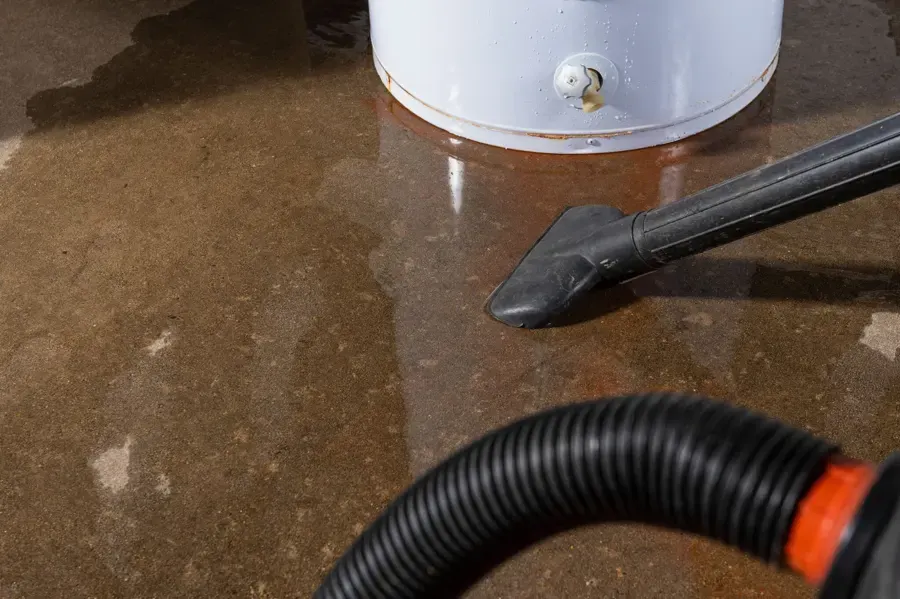
First steps for water extraction in Aurora
While the water is still on the floor, a few moves in the first few minutes limit how far it travels.
- Stop the source
Close the fixture valve or the main shut-off so no new water enters the room.
- Kill wet circuits
If the breaker panel is dry and safe to reach, switch off power to the wet rooms.
- Lift what you can
Move rugs, boxes and electronics off the wet floor and out of the room.
- Photograph, then call
Take wide and close photos before anything is moved further, then call the restoration team.
How water extraction is handled in Aurora
Extraction is the cheapest drying there is. Every gallon the crew pulls out as liquid is a gallon the dehumidifiers never have to pull out of the air.
Rapid local response
Aurora water damage pros answer day and night, and the restoration team asks which level is wet and what the water came from, so the right equipment goes on the truck.
IICRC S500 drying standard
IICRC S500 is the industry drying standard. The drying team maps moisture first and keeps equipment running until the readings say dry, not until the surface looks dry.
Claim-ready documentation
Most crews log daily moisture readings and take timestamped photos before anything is removed, which is the file an adjuster reads.
Front Range water experts
Arctic freezes, hail, window wells and swelling clay soil: the local restoration pros know how water moves through an Aurora house.
What does water extraction cost in Aurora, CO?
In Aurora, CO, water extraction and the drying that follows typically run $1,000 to $5,500, depending on the water category, the square footage, the material class and how fast extraction started after the loss.
These are typical ranges, not a quote. For a closer planning number, try the Aurora water damage cost calculator.
One room, clean water
- Portable or truck-mount extraction
- Air movers and one dehumidifier
- Daily moisture readings
Several rooms or a level
- Truck-mounted extraction
- Pad removal where needed
- LGR dehumidification
Large or dirty water
- Category 2 or 3 handling
- Material removal
- Containment and antimicrobial
The water extraction process, step by step
- 1
Map the moisture
The tech who does the walkthrough finds the source, then maps moisture with pinless meters and thermal imaging, so the plan matches what is wet, not what looks wet.
- 2
Extract the water
The extraction crew pulls standing water with truck-mounted or portable extraction, because every gallon removed as liquid is a gallon the dehumidifiers never have to pull from the air.
- 3
Dry the structure
The drying team sets air movers to each room's evaporation load and LGR dehumidifiers to pull the moisture back out. Class 4 materials like hardwood and plaster may need desiccants.
- 4
Verify and document
Most crews take readings daily and pull equipment only when wet materials sit within 2 to 4 points of a dry reference, then hand over the drying log for the claim.
Why fast extraction matters in Aurora homes
Most Aurora houses have a basement or a lower level, and water that reaches carpet pad or the bottom of drywall moves sideways and down quickly. The extraction crew pulls standing water first because liquid water is far easier to remove than the moisture that has already soaked into materials.
- Carpet pad acts like a sponge and holds water against the subfloor.
- Drywall wicks water upward, often 12 inches or more above the visible waterline.
- Water under vinyl plank and laminate stays hidden until meters find it.
- Dry Front Range air helps drying, but only after the standing water is gone.
What the extraction crew does on the call
The tech who does the walkthrough identifies the water category, because clean supply water, gray appliance water and sewage are handled differently. Then the crew runs truck-mounted extraction where hoses can reach, portable units where they cannot, and weighted extraction tools on carpet to squeeze water out of the pad. Once the floor stops giving up water, the drying team maps what is still wet with pinless meters and thermal imaging and sets air movers and LGR dehumidifiers for structural drying.
Trade fact: category decides what stays
Category 1 water from a supply line can often be dried in place. Category 3 water, like a sewage backup, means porous materials such as carpet and pad get removed, not dried.
Safety and trusted resources
Standing water and electricity do not mix, so stay out of wet rooms where outlets or cords sit near the water. The federal guidance at Ready.gov covers safe re-entry after water in a home, and the EPA mold page explains why materials need to dry within 24 to 48 hours. If the water came from a basement, see basement flooding cleanup.
Water Extraction across Aurora
The Aurora water damage pros cover the whole city, from Original Aurora and Hoffman Heights to Saddle Rock, Southlands and Murphy Creek, plus Centennial, Parker, Foxfield, Greenwood Village, Glendale and Commerce City.
See every Aurora area and ZIP codeRelated water damage services in Aurora
Water Extraction questions in Aurora
How fast should standing water be extracted?
As soon as possible. Materials start absorbing water right away, and the EPA notes that wet materials should be dried within 24 to 48 hours to limit mold growth. Extraction is the step that makes that window realistic.
Can a wet shop vac do the same job?
A shop vac removes surface water, but it cannot pull water out of carpet pad or create the suction that truck-mounted extraction does. Most crews also follow extraction with moisture mapping, which a shop vac cannot replace.
Will the carpet have to be thrown out?
It depends on the water category and how long it sat. Clean water caught early often lets the crew dry carpet in place, while pad is frequently replaced. Carpet touched by Category 3 water is removed.
Does the crew move furniture?
Most extraction crews move or block furniture off the wet floor so legs do not stain carpet and so air can reach the flooring. Ask about anything fragile or very heavy before the work starts.
What happens after extraction?
The drying team sets air movers and dehumidifiers, takes moisture readings, and returns daily until the wet materials reach the drying goal, usually within 2 to 4 points of a dry reference material.
Is water extraction covered by insurance?
Sudden and accidental water, such as a burst supply line, is often covered under a homeowners policy after the deductible. Rising outside water usually falls under flood coverage. Coverage depends on your policy, so it is worth checking with your own insurer.
Water on the floor in Aurora? Start with extraction.
The sooner the extraction crew gets the water out, the less there is to dry and the more materials can stay.